Looking for a reliable VPN in 2026? From Proton VPN and NordVPN to Windscribe and Mullvad, here are five services worth considering, their key features, and what Indian users should know before choosing one.
Your online activities leave behind more information than you may realise. Websites can track your browsing habits, internet providers can see connection details, and public Wi-Fi networks can expose your data to security risks.
A Virtual Private Network, commonly known as a VPN, can help reduce some of these risks. It encrypts your internet connection and hides your original IP address from the websites you visit by routing your traffic through another server.
However, not every VPN offers the same level of privacy, speed or security. Some focus on advanced privacy features, while others are better for streaming, everyday browsing or connecting multiple devices.
If you are planning to use a VPN in 2026, here are five services worth looking at.
What Does a VPN Actually Do?
A VPN creates an encrypted connection between your device and a VPN server. Instead of connecting directly to a website, your internet traffic first passes through this server.
This changes the IP address that websites see and makes it harder for your internet service provider to view the websites you visit.
A VPN can be useful when you connect to public Wi-Fi at airports, hotels, cafes or other public places. It can also help you access services available in different regions, depending on the platform's rules and restrictions.
But there is one important thing to understand: a VPN does not make you completely anonymous online.
Websites can still identify you through cookies, account logins and browser fingerprinting. A VPN also cannot protect you from phishing links, malware or scams on its own.
That is why choosing a trustworthy VPN provider matters.
5 Best VPN Services to Consider in 2026
1. Proton VPN: Best Overall for Privacy
Proton VPN is a strong option for people who want privacy and security without giving up useful features.
The service offers encrypted connections, a kill switch, split tunnelling and Secure Core servers. Its NetShield feature can also block certain ads, trackers and malicious websites.
One of its biggest advantages is transparency. Proton has open-sourced its applications and regularly undergoes independent security audits. This gives users more ways to examine its privacy and security practices.
Proton VPN also offers a free plan, making it a useful starting point for people who want to try a VPN without immediately buying a subscription. The free version has fewer server choices and features than its paid plans.
Best for: Privacy-conscious users, everyday browsing and people looking for a free VPN option.
2. NordVPN: Best for Everyday Security
NordVPN is a popular choice for people who want a combination of speed, security and additional online protection features.
It offers features such as a kill switch, split tunnelling, double VPN connections and threat protection tools. Its NordLynx protocol is designed to provide fast connections while maintaining security.
NordVPN also supports several devices, including Windows computers, Macs, smartphones and smart TVs.
Another important point is its independent audits of its no-logs policy. These audits help users understand how the company handles information, although they do not guarantee that no privacy risk can ever occur.
The service is worth considering if you want a VPN for regular browsing, travel and streaming.
Best for: Everyday users who want a balance of speed, security and additional features.
3. Windscribe: Best Free VPN Option
Windscribe is worth considering if you need a free VPN for occasional use.
Its free plan provides up to 10 GB of monthly data when users verify their email address. Without email verification, the data limit is lower. It also offers a limited selection of server locations.
The service includes features such as a kill switch, split tunnelling and ad and tracker blocking tools.
Windscribe has also undergone third-party audits and offers open-source applications. Its privacy record has received attention in independent reviews, including a reported legal case in which the company was unable to provide user activity logs.
However, free plans have limitations. The monthly data allowance may not be enough for regular video streaming, large downloads or continuous use.
Best for: Students, occasional VPN users and people who want to try a free service.
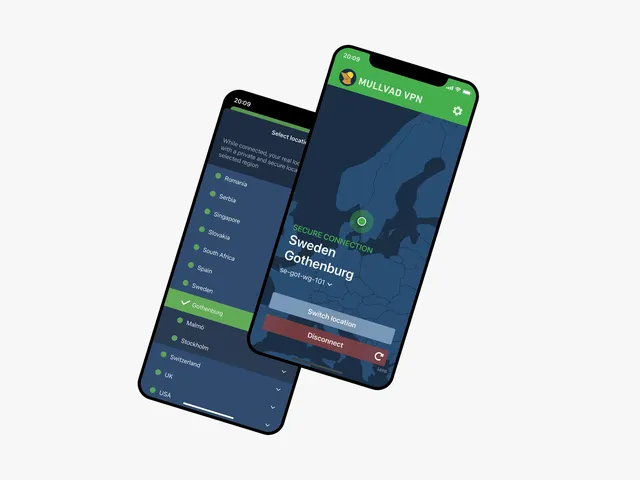
4. Mullvad VPN: Best for Strong Privacy
Mullvad takes a different approach to user privacy.
Unlike many VPN services, it does not require users to register with an email address. Instead, it generates an account number that users can use to access the service.
It also accepts different payment methods, including cash by mail and selected cryptocurrencies.
Mullvad offers features such as a kill switch, split tunnelling, double-hop connections and DAITA, a technology designed to make certain types of network traffic analysis more difficult.
The service has also used RAM-only servers, which are designed to avoid storing data permanently on traditional hard drives.
However, Mullvad is not designed for everyone. It supports up to five devices and does not offer some features found in larger VPN services. Its speed can also vary depending on the server location.
Best for: Users who place a high priority on privacy and want to share as little personal information as possible when signing up.
5. Surfshark: Best for Multiple Devices
Surfshark is a useful option for people who want to protect several devices under one subscription.
It supports unlimited simultaneous connections on its standard personal plans, making it convenient for households with multiple smartphones, laptops and tablets.
Its features include a kill switch, split tunnelling, multi-hop connections and tools designed to block ads and trackers.
Surfshark also offers additional security features through its higher-tier plans.
One point to consider is that introductory subscription prices can be different from renewal prices. Users should check the full billing amount before purchasing a long-term plan.
Best for: Families, people with multiple devices and users looking for a feature-rich VPN at a competitive introductory price.
VPNs in India: What Users Should Know
Choosing a VPN in India requires some additional attention.
In April 2022, the Indian Computer Emergency Response Team (CERT-In) issued cybersecurity directions covering VPN service providers, among other service providers. These directions require covered VPN providers to maintain certain customer information, including validated subscriber details and IP information, for at least five years after cancellation or withdrawal of service.
Following these directions, several major VPN companies removed their physical servers from India to avoid operating physical infrastructure under the local data-retention requirements.
Some providers now offer virtual Indian server locations. These servers can provide an Indian IP address while being physically located outside the country.
This distinction matters. A virtual Indian server and a physical server located in India are not the same thing.
If you are choosing a VPN in India, check where its servers are physically located, how its privacy policy works and whether its no-logs claims have been independently audited.
VPN services are legal to use in India, but a VPN does not make illegal online activities legal. Users should also check the terms and restrictions of the websites and streaming services they access.
How to Choose the Right VPN for Your Needs
The best VPN is not necessarily the one with the largest server network or the most expensive subscription. It is the one that matches your actual requirements.
If privacy is your biggest concern, look for a provider with a clear privacy policy, independent audits and open-source applications. Proton VPN and Mullvad are worth considering.
If you want a VPN for everyday browsing, streaming and multiple devices, compare NordVPN and Surfshark.
If you only need a VPN occasionally, Windscribe's free plan may be enough.
Before buying a subscription, check these five things:
Independent security audits: Look for reports from external security firms rather than relying only on the provider's own claims.
No-logs policy: Understand what information the company collects. A no-logs claim should be supported by meaningful evidence.
Kill switch: This feature can block internet access if the VPN connection suddenly drops, helping prevent your real IP address from being exposed.
Connection speed: A VPN can reduce your internet speed. Check independent speed tests and choose servers close to your actual location when possible.
Subscription and renewal price: Some VPNs offer large discounts for the first subscription period. Check the renewal price, billing terms and refund policy before paying.
Final Verdict: Which VPN Should You Choose?
There is no single VPN that is perfect for every user.
Proton VPN stands out for its privacy features and transparency. NordVPN is a strong all-round option for everyday use. Windscribe is worth considering if you need a limited free plan, while Mullvad is designed for people who want stronger account privacy. Surfshark is a practical choice for users who want to connect multiple devices.
The most important thing is to choose a provider that is transparent about its security practices and data collection.
A VPN can be a useful part of your online security setup, but it should not be your only line of defence. Use strong passwords, enable two-factor authentication, keep your devices updated and avoid suspicious links.
Online privacy is not about installing one app and forgetting everything else. It is about making better decisions every time you use the internet.