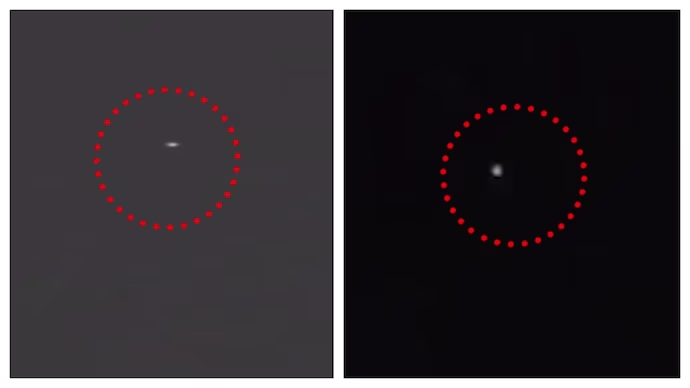
In recent weeks, security forces in India have spotted a fresh wave of unmanned drones coming from Pakistan near the Line of Control (LoC) and parts of the International Border (IB) in Jammu and Kashmir. These sightings have unsettled commanders and triggered alerts, but they are very different from earlier drone actions.
1. These Are Not Suicide Drones
The recent drones are mostly small, reconnaissance-style UAVs flying low and slowly, not the heavier, explosive-carrying drones seen during clashes in 2025. That earlier phase involved kamikaze drones that could loiter, seek targets and strike, while the current ones are more about movement and observation.
2. A New Pattern Begins in January
Since around January 9, at least 10–12 separate drone crossings have been noticed across different sectors in the Jammu and Kashmir border areas.
These drones have appeared near places like Poonch, Samba, Nowshera, Rajouri, and even over districts like Jaisalmer in Rajasthan, far from the LoC.
In one instance, security forces recovered pistols, magazines, bullets and a grenade dropped by a suspected drone in Samba ahead of Republic Day.
3. Testing Defences and Gathering Information
Analysts and defence experts say the primary reason for these renewed drone sightings is exploration rather than attack:
-
Pakistan may be trying to probe gaps in India’s radar and surveillance systems.
-
It could be measuring response times, seeing how quickly Indian forces detect and react to drones.
-
Flying at low altitude can exploit terrain challenges and less-covered stretches near the border.
A geopolitical expert tweeted that many of the drones are being used for what he called a “recognition operation” essentially testing India’s defensive reactions without carrying heavy payloads.
India’s Army Chief has also indicated that some drones may be probing for weak spots that might later be used to send militants or materials across the border. He suggested that Pakistan could be checking whether any part of India’s defensive setup is lax or exploitable.
4. A Shift From 2025 Hostilities
This drone activity comes after the 2025 conflict between the two countries, one of the worst in decades which included aerial strikes, missile launches and cross-border engagements. That confrontation ended with diplomatic pushback, but tensions remained high.
What we are seeing now reflects a shift in tactics: rather than open confrontation, drones offer a way to test defences and send pressure signals without triggering full-blown military escalation.
5. Why Now?
A few factors make this period sensitive:
-
India is approaching Republic Day, when forces are especially vigilant.
-
Cold weather and quieter ground movement may make drones a more attractive tool for cross-border observation.
-
Pakistan may be attempting to create continuous, low-intensity pressure instead of sporadic high-intensity conflict.
6. India’s Response
India has made its position clear: continued drone intrusions are unacceptable and must be stopped. The Indian Army has reportedly told Pakistan’s military leadership to control these manoeuvres or face consequences.
Meanwhile, Indian forces have activated anti-drone defence systems, increased patrols, and maintained higher alert levels across border regions.
Bottom Line
These drone movements reflect a change in cross-border dynamics, a move by Pakistan to:
-
test Indian defences,
-
gather intelligence,
-
and maintain strategic pressure without outright conflict.
India’s heightened alerts and stronger defences have so far prevented major incidents, but the situation underscores how modern technology like drones is reshaping how tensions play out along the border.