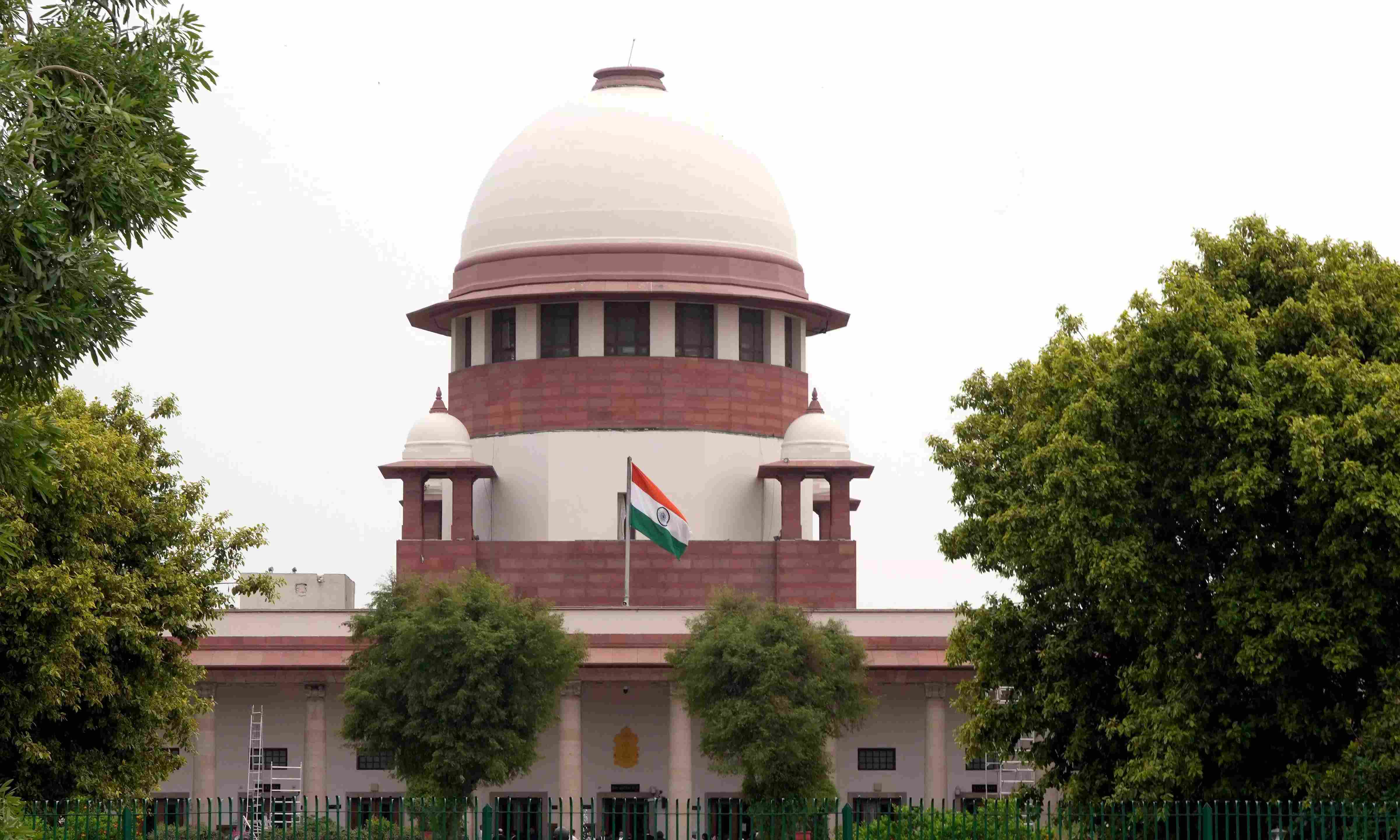
The Supreme Court of India on Tuesday dismissed the appeal of a Christian army officer and upheld his termination concluding that his refusal to enter a gurdwara (or temple sanctum) as part of a regimental religious ceremony constituted “gross indiscipline.”
What Happened
The officer Samuel Kamalesan, a former Lieutenant in the 3rd Cavalry Regiment had declined a direct order to enter the sanctum sanctorum of a gurdwara (or temple) to perform or participate in a puja, citing his Christian monotheistic faith.
This refusal triggered disciplinary action by the Army, leading to his dismissal from service in 2021. The Army characterised his conduct as violating core military discipline and damaging unit cohesion.
Court’s View & Verdict
A Bench headed by Surya Kant (Chief Justice of India) and including Joymalya Bagchi observed that:
-
The refusal to comply with a lawful command undermined the discipline and unity essential in a secular and diverse military organisation. Even if the officer had a reputable record in some respects, his unwillingness to follow orders makes him a “misfit” for the armed forces. The court called him a “cantankerous man” and said such conduct had no place in the Army.
-
The fact that his own pastor had advised that entering the gurdwara would not violate his faith, yet he still refused, weakened his argument of religious infringement.
The Supreme Court therefore rejected Kamalesan’s petition, upholding the prior order of the Delhi High Court that had earlier affirmed his dismissal.
Broader Significance
According to the court, this ruling reaffirms that in the context of the military especially in a pluralistic, multi-faith environment like India’s personal religious beliefs cannot override lawful orders, especially those meant to maintain discipline, cohesion and respect for the faiths of fellow soldiers.
The verdict underlines the principle that as part of their duties, armed-forces personnel may be required to participate in regimental rituals, regardless of their personal faith to ensure unity and morale.