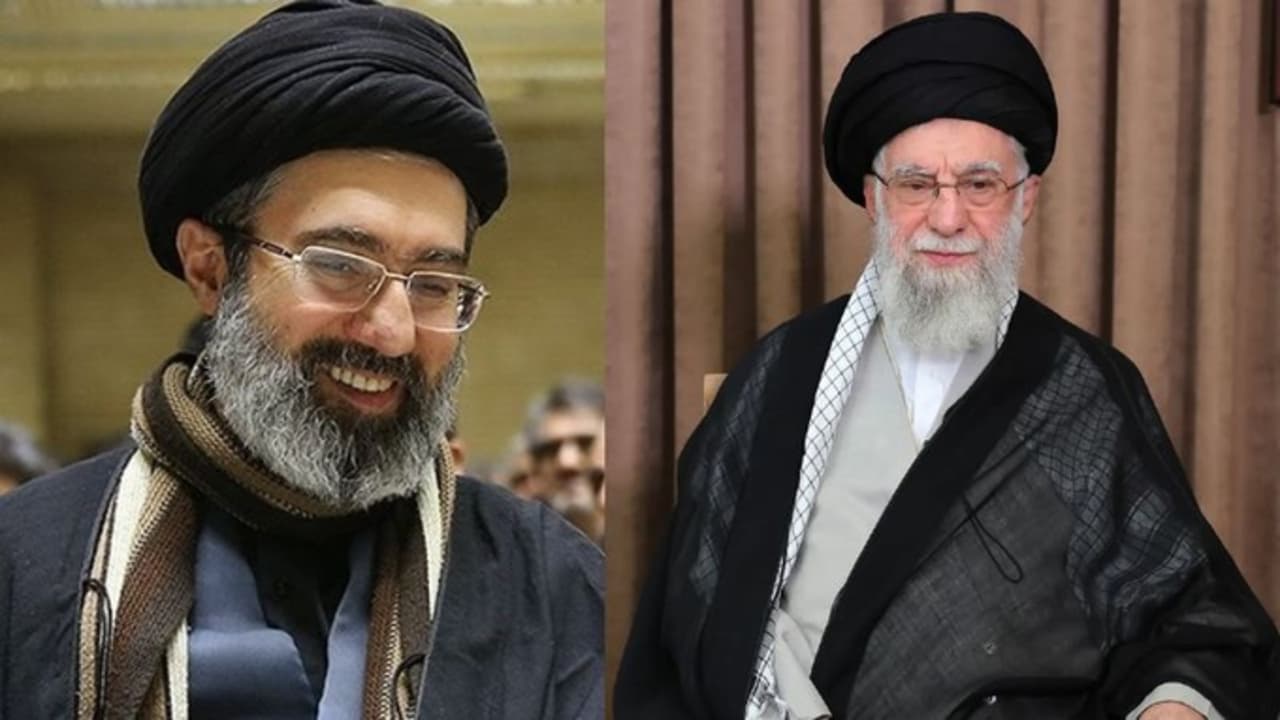
Global oil markets reacted quickly after Iran announced Mojtaba Khamenei as the country’s new Supreme Leader. The news came at a tense time for the Middle East, and it immediately pushed oil prices higher as traders feared more uncertainty in the region.
Within hours of the announcement, global crude benchmarks climbed sharply. Many investors rushed to secure supplies, worried that the leadership change and ongoing tensions could affect oil production and shipping routes in the region.
Markets React Quickly
The biggest movement was seen in Brent Crude, the international oil benchmark. Prices jumped past the $100 per barrel mark, a level not seen in years.
Energy traders say the reaction was driven mainly by fear of supply disruptions. The Middle East produces a large share of the world’s oil, so even small political changes can make markets nervous. Oil traders often respond quickly to geopolitical news. In this case, the leadership change in Iran added another layer of uncertainty to an already tense situation.
Who Is Mojtaba Khamenei?
The new leader, Mojtaba Khamenei, is the son of Iran’s longtime Supreme Leader Ali Khamenei. For years, he stayed mostly out of the public spotlight but was believed to have strong influence behind the scenes.
Many political observers in Tehran often described him as a “gatekeeper.” He was known for controlling access to the Supreme Leader’s office and for maintaining close ties with powerful political and security figures in Iran. Although he rarely gave public speeches, experts say he played an important role in shaping decisions within Iran’s leadership circle.
Why Oil Markets Are Concerned
The Middle East sits at the heart of global oil supply. Because of this, any major political change in the region can affect oil prices very quickly.
One of the biggest concerns is the Strait of Hormuz, a narrow waterway through which a large share of the world’s oil shipments pass every day. If tensions rise around this route, oil transport could slow down or become more expensive. That possibility alone is enough to push oil prices higher, as buyers try to secure supply before any disruption happens.
Rising Tension Adds Pressure
The leadership change also comes during a period of rising tensions involving Iran and several global powers. Because of this, analysts believe energy markets could remain volatile for some time. Some experts say traders are preparing for the possibility that oil prices could climb even higher if the situation worsens.
At the same time, governments around the world are watching closely. High oil prices can increase fuel costs, transportation expenses, and inflation for many countries.
What Comes Next
For now, global markets are waiting to see how Mojtaba Khamenei leads the country and how the situation in the region develops.
If tensions ease, oil prices could stabilize. But if conflict grows or supply routes face disruption, the energy market may see further price spikes. What is clear is that political events in the Middle East continue to play a powerful role in shaping the global oil market. And with Iran entering a new leadership era, traders and governments alike will be watching every move carefully.