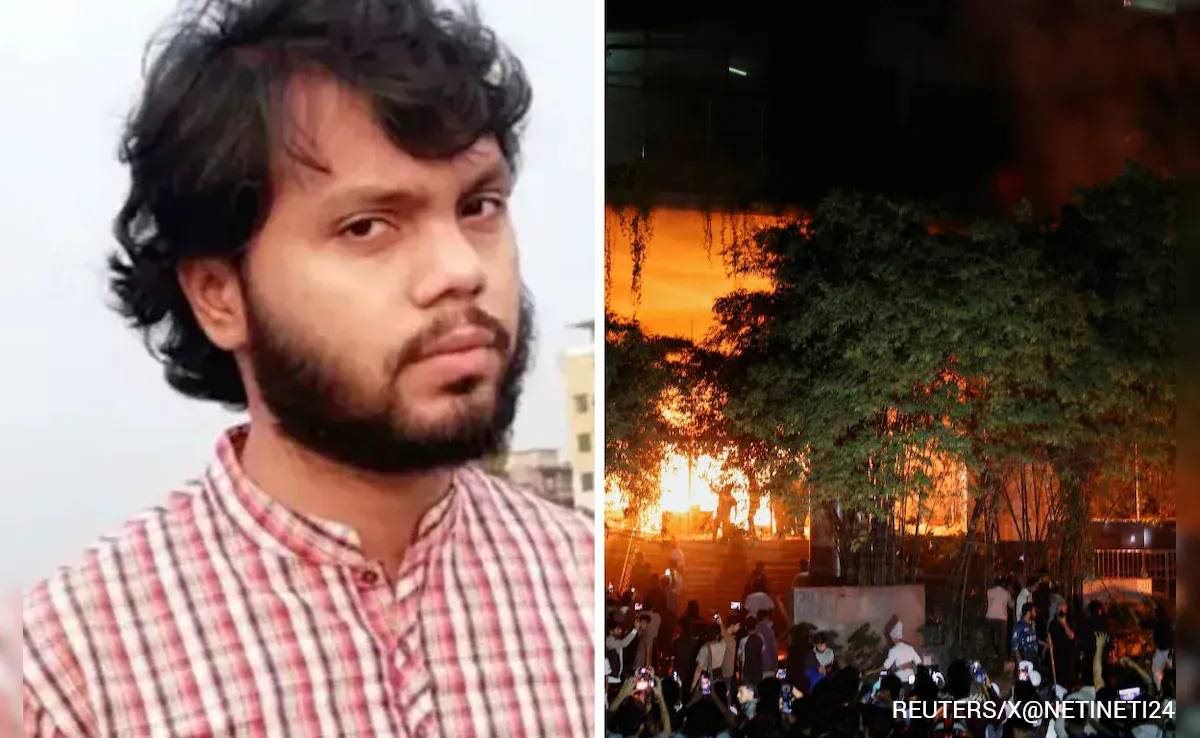
A brutal and shocking incident has taken place in Bangladesh’s Mymensingh district, where a Hindu man was beaten to death by a mob and his body was later tied to a tree and set on fire, police and local sources say. The killing happened on the night of December 18, 2025, and has deepened fears about rising violence and communal tensions in the country.
What Happened?
The victim has been identified as Dipu Chandra Das, a young man who worked at a local garment factory and lived in the Dubalia Para area of Bhaluka Upazila. According to police, a group of people accused him of making derogatory remarks about Prophet Muhammad, an allegation that quickly triggered a violent reaction from a crowd.
Around 9 pm, an angry mob surrounded Das, beat him severely and killed him on the spot. After his death, the attackers tied his body to a tree and set it on fire, according to police statements quoted by BBC Bangla. Eyewitnesses reported that the body was then moved to the Dhaka-Mymensingh highway, where it was burned again, creating panic and traffic disruption in the area.
Police Response and Investigation
Police quickly reached the scene after receiving information and brought the situation under control. The burned body was recovered and taken to Mymensingh Medical College Hospital for a post-mortem examination. Authorities are reportedly trying to locate Das’s relatives so that a formal complaint can be filed, after which legal action will be pursued.
So far, no arrests have been officially confirmed, and local police said that no case has been registered yet. They have stated that action will be taken once a complaint is filed by the victim’s family.
Context of Unrest in Bangladesh
This brutal lynching comes amid widespread unrest and violent protests sweeping across Bangladesh in recent days. The turmoil was triggered by the death of Sharif Osman Hadi, a prominent student leader and key figure in the July Uprising, who was fatally shot earlier this month and died in hospital abroad. His death has led to large-scale demonstrations, clashes with security forces, and attacks on media offices, including those of major newspapers such as Prothom Alo and The Daily Star.
Protesters have also vandalised public symbols, targeted media houses they claim are connected to political rivals, and clashed with law enforcement in cities such as Dhaka. The unrest reflects rising tensions linked to political instability and deepening divisions within the country. Reuters
Reactions and Condemnation
The Bangladesh interim government, led by Chief Advisor Muhammad Yunus, has strongly condemned the lynching. The administration has pledged that “perpetrators will not be spared” and urged people to maintain peace during this sensitive period. The government also called on citizens to reject violence, hatred and incitement, emphasising that such acts will not be tolerated.
International human rights organisations and observers have also expressed deep concern over the incident, highlighting the threats faced by religious minorities in Bangladesh. Many groups are urging the government to take immediate action to protect vulnerable communities and restore law and order.
Impact on Minority Communities
This lynching has alarmed minority groups, particularly the Hindu community, which has historically faced periods of discrimination and violence in Bangladesh. The killing has raised urgent questions about the safety and rights of minorities in the country, especially at a time of political turmoil and widespread protests.
Human rights organisations argue that such violent incidents reflect deeper social and political tensions that go beyond individual cases, pointing to ongoing challenges in ensuring equal protection for all citizens.
What Happens Next?
As Bangladesh grapples with a broader wave of unrest, the police and government face immense pressure to act swiftly. Authorities have announced a manhunt for those responsible and offered rewards for information leading to arrests in connection with the lynching, but until now, concrete progress in the investigation has not been publicly reported.
Meanwhile, the brutal nature of this killing, especially the act of burning the body after death has shocked people inside and outside Bangladesh, drawing global attention to the risks of mob violence and the urgent need for stronger protection of vulnerable groups, especially during periods of nationwide turmoil.