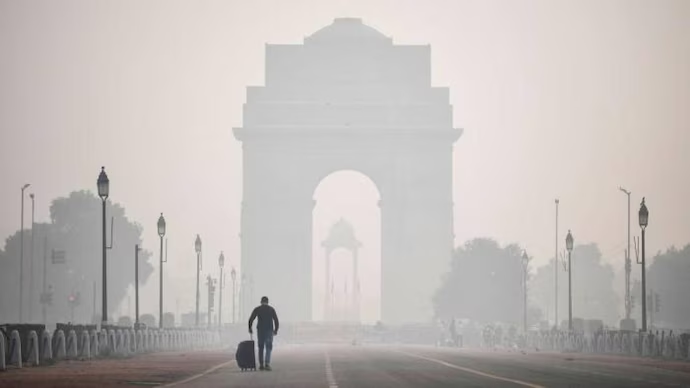
New Delhi is facing a severe air-quality emergency as the Air Quality Index (AQI) surged past 700, entering the “hazardous” category. On Friday morning the overall AQI for the city stood at around 727, according to monitoring data.
The thick layer of dust and toxic smog is clearly visible across the capital. Officials say a mix of causes is responsible: smoke from Diwali fire-works that lingered in the air, stubble-burning in neighbouring Punjab and Haryana, low wind speeds trapping pollutants, and dust from construction and roads.
Authorities warn that the situation may not improve quickly. With winter setting in and weather conditions worsening, pollution is expected to remain high for several days.
Residents, especially children, the elderly and those with respiratory issues, have been urged to avoid outdoor activities, wear masks when going outside and use air purifiers indoors. Hospitals are preparing for a rise in complaints of breathlessness and irritation of eyes and throat.
Efforts such as road-dust control, enforcement of fire-cracker bans and restrictions on heavy vehicles are being stepped up. However, experts say these are stop-gap measures and long-term solutions are needed to tackle the root causes of Delhi’s toxic air problem.
In short, Delhi’s air quality crisis has returned with full force, posing a serious threat to public health and calling for urgent action from government, industry and citizens alike.