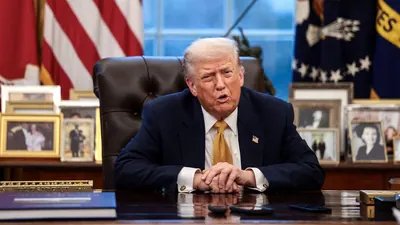
The United States was preparing to possibly strike Iran after weeks of violent protests and a harsh government crackdown there. But now the planned attack is being delayed or put off, and leaders are reconsidering whether to go ahead.
Why the U.S. is holding back:
Concerns from allies:
Leaders in the Middle East, including Israel, Saudi Arabia, Qatar and others, have urged the U.S. not to strike Iran right now. They worry a strike could start a wider war in the region.
Israeli Prime Minister Benjamin Netanyahu personally asked President Trump to wait before taking military action.
Timing and readiness issues:
Officials say Israel’s own defense systems are stretched, and it may not be ready for a major conflict with Iran.
The U.S. is also assessing whether its forces and equipment are in the right position to carry out a strike.
Mixed signals from Iran:
The U.S. wants to see clear signs that Iran has stopped killing protesters and is taking steps toward de-escalation.
Iran has reopened its airspace and said it will not carry out mass executions, which the U.S. views as a possible sign to hold off on military action.
Avoiding a bigger war:
A strike on Iran likely would lead to retaliation against U.S. bases or allies, and could quickly draw in other countries. Leaders fear this could become a much larger conflict.
What U.S. officials are saying:
President Trump hasn’t ruled out military action, he has said he’s watching the situation carefully and all options are still possible.
Some U.S. lawmakers say reports that the U.S. has completely canceled plans for a strike are not accurate.
What this means right now:
The U.S. appears to be pausing, not canceling, any attack.
Diplomacy and discussions with allies are playing a big role in the delay.
Tensions remain high, and the situation could change quickly.