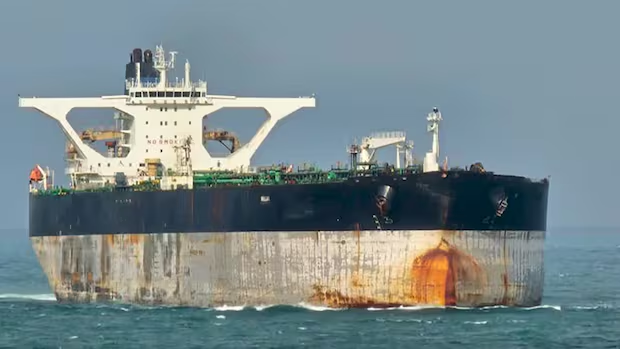
The United States Coast Guard is actively pursuing and has intercepted another oil tanker near Venezuela, marking a significant escalation in Washington’s pressure campaign against the government of Venezuelan President Nicolás Maduro.
This latest action comes as part of a broader strategy by the Trump administration to enforce sanctions and disrupt what it calls a “shadow fleet” of vessels used to evade trade restrictions on Venezuelan oil. In recent weeks, U.S. forces have already seized two other tankers believed to be involved in transporting sanctioned crude.
What Happened?
According to U.S. officials, the Coast Guard is now pursuing a third tanker in the Caribbean Sea near Venezuelan waters. The vessel is believed to be part of a clandestine network of ships, sometimes referred to as the “dark fleet”, that are suspected of helping Caracas skirt international sanctions by sailing under false flags and hidden identities.
The operation takes place in international waters, and while U.S. authorities have not released the name or exact location of the tanker, maritime tracking groups have identified it as Bella 1, a ship previously sanctioned for alleged connections to Iran and Venezuelan state oil interests.
Background: A Mounting Pressure Campaign
This interception is the third such engagement in less than two weeks, following earlier U.S. actions including the seizure of the tanker Centuries and another vessel off the Venezuelan coast.
Earlier this month, the U.S. administration announced a “total and complete blockade” on sanctioned oil tankers bound for or departing Venezuela, part of a strategy intended to choke off critical revenue for the Maduro government. These moves have drawn international attention and criticism, with Caracas condemning them as “piracy” and violations of international law.
Reactions and Regional Impact
The Venezuelan government has strongly rebuked the U.S. actions, accusing Washington of overreach and saying such interceptions represent illegal acts of theft and aggression. The Maduro administration has vowed to take the matter to international forums, including the United Nations.
On the U.S. side, officials argue that the operations target economic and sanctions violations, and insist they are part of lawful enforcement measures aimed at cutting off funding links to alleged narcotics trafficking and other illicit networks.
Broader Geopolitical Concerns
Analysts warn that continued interceptions and naval pressure could further strain U.S.–Venezuela relations and destabilize the region’s already fragile geopolitical balance. Though U.S. officials have downplayed potential impacts on global oil markets, some experts say ongoing tensions could contribute to higher crude prices and supply uncertainties.
For now, the pursuit of the latest tanker underscores the U.S. commitment to tightening sanctions enforcement against Venezuela’s oil sector and maintaining pressure on President Maduro’s government.