Iran is facing widespread protests that have entered their second week, with government forces cracking down and tensions rising with the United States and other countries.
What’s Happening in Iran?
Mass protests began in late December over economic hardship, inflation, and political frustration. They have spread to many major cities, including Tehran and Mashhad, and continued despite a nationwide internet blackout and heavy security presence. Human rights groups report dozens of deaths and thousands detained.
Khamenei Issues Strong Warning
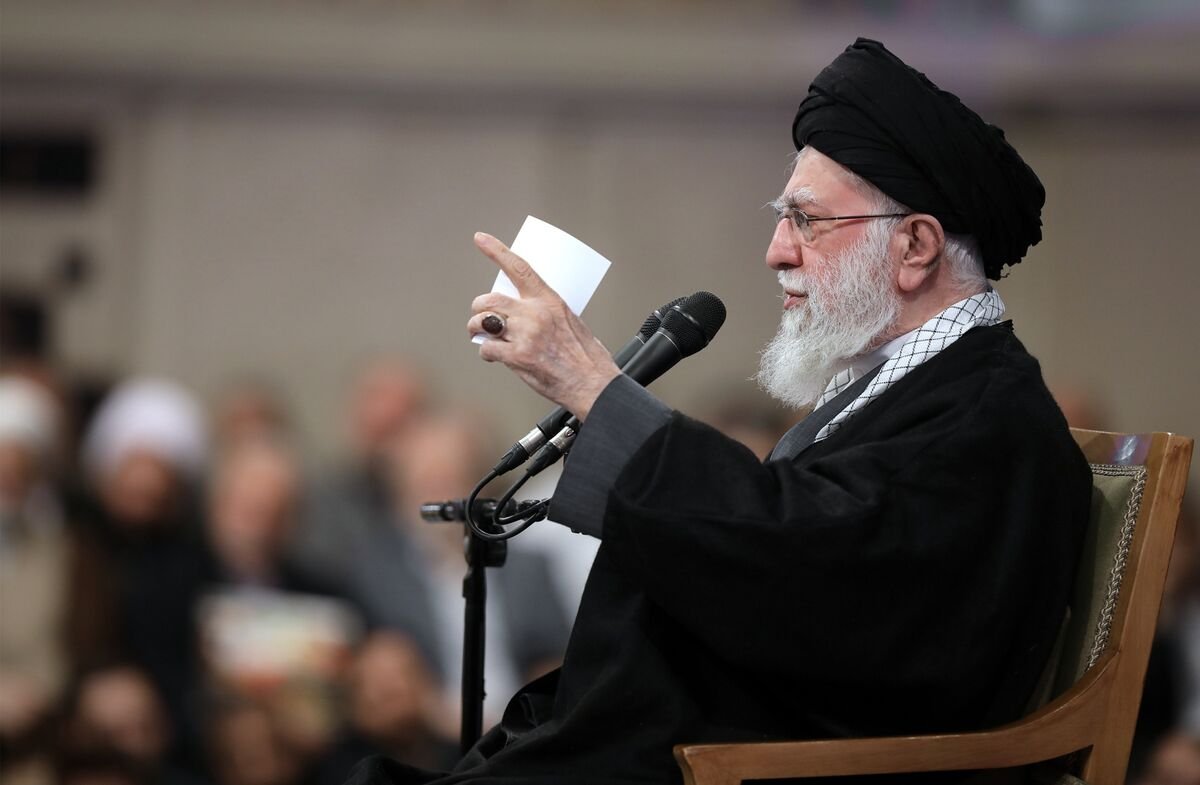
Iran’s Supreme Leader Ayatollah Ali Khamenei has publicly warned the United States and Israel amid the unrest. Iranian officials said that if the US were to intervene or attack over the protests, Tehran would consider US forces and Israeli territory legitimate targets in retaliation.
This warning comes as protests and unrest continue without signs of slowing down, even after the government cut off internet and communications inside the country.
Khamenei’s Warning to the US
In a public statement carried by Iranian state media, Khamenei accused foreign powers, especially the US, of trying to interfere in Iran’s internal affairs.
“Iran will defend itself against any foreign pressure or interference,” Khamenei said.
“Those who think they can weaken Iran through unrest are mistaken.”
He claimed that some of the protests were being encouraged from outside the country and warned that Iran would respond firmly if the situation escalates due to foreign involvement.
International Reactions
Countries and leaders around the world are watching the situation closely. The United Kingdom has called for a peaceful transition of power and expressed concern about the rising violence and civilian suffering.
Why This Matters
What started as protests over economic issues has turned into a wider challenge against Iran’s theocratic leadership. The clash between pro-government forces and demonstrators is one of the most serious internal crises Iran has faced in years. Foreign governments are warning both sides to avoid actions that could escalate the conflict further.