
Astronauts have safely returned to Earth after the first medical evacuation in the history of the International Space Station (ISS). NASA confirmed that one crew member faced a medical issue in space, leading the agency to end the mission early so the astronaut could receive proper medical care on Earth. The decision was described as precautionary, and all crew members landed safely.
This mission marks a major moment in human spaceflight. Since the ISS began operations more than two decades ago, astronauts have faced health challenges, but this is the first time a crew has been brought back early for medical reasons. NASA said the health and safety of astronauts is always the top priority.
The agency did not share details about the medical condition, citing privacy rules, but officials said the astronaut is stable and under observation.
Crew-11 Mission Ends Early
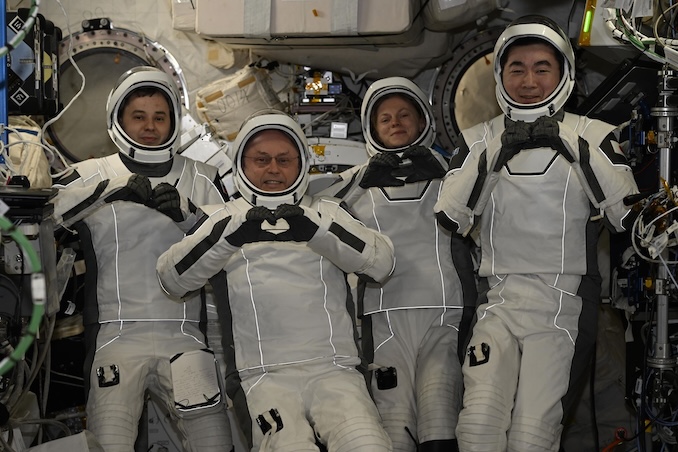
The astronauts were part of SpaceX’s Crew-11 mission, which launched to the ISS in August 2025. The team was expected to stay in orbit until mid-February 2026. However, after a medical concern arose, NASA decided it was safer to bring the entire crew back together.
Ending the mission early also allowed doctors to give full medical attention that is not possible in space.
Safe Splashdown Near California
.jpg)
The astronauts returned to Earth aboard a SpaceX Dragon capsule. The spacecraft safely splashed down in the Pacific Ocean near the coast of California on January 15, 2026. Recovery teams quickly reached the capsule and confirmed that all four astronauts were in good condition.
After landing, the crew was taken for routine medical checks, a standard process after long space missions.
Who Was on Board
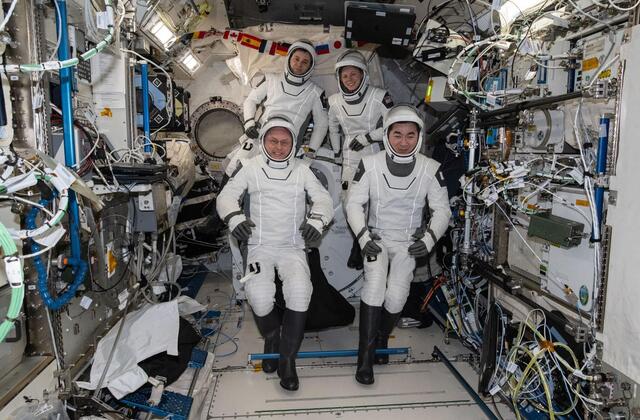
The Crew-11 team included astronauts from multiple space agencies, showing continued international cooperation aboard the ISS. During their time in space, they carried out scientific experiments, maintained station systems, and supported ongoing research that benefits life on Earth.
They spent around 167 days in orbit, adapting to microgravity and working in a highly controlled environment.
Why Medical Evacuations Are Rare
Medical evacuations from space are extremely rare because astronauts go through years of training and health checks before launch. Missions also include emergency medical supplies and remote support from doctors on Earth.
However, space is unpredictable. NASA officials said this evacuation shows how prepared space agencies are to handle unexpected situations while keeping astronauts safe.
With Crew-11 returning early, the ISS will temporarily operate with a smaller crew. NASA said station activities will continue as planned, though some experiments may be adjusted until the next mission arrives.
The next crew, Crew-12, is scheduled to launch in February, ensuring the space station remains fully staffed.
Experts say this event proves that space missions are becoming more flexible and safety-focused. Having the ability to safely bring astronauts home early adds an important layer of protection for future long-term missions, including trips to the Moon and Mars. NASA emphasized that learning from this mission will help improve medical planning and response systems for future space travel.
While the medical issue remains private, the successful return of the astronauts sends a clear message: human safety comes first in space exploration. The mission may have ended early, but it has set a new standard for care and preparedness beyond Earth.