Experts highlight delayed
diagnosis, limited donor registry, and low awareness as major barriers to
timely stem cell transplants in India
Chennai: Ahead of World Blood Cancer Day, experts warn that many blood cancer
patients in India still struggle to find matching donors in time for
life-saving stem cell transplants, often losing crucial treatment time as the
disease progresses. While stem cell transplantation remains the only curative
treatment option for several blood cancers, severe donor shortages, delayed
diagnosis, and India’s limited donor registry continue to impact timely access
to treatment across the country.
Blood cancer remains a major
life-threatening health concern in India, with over 1 lakh people diagnosed
every year and more than 70,000 lives lost annually. For many patients battling
blood cancer, a blood stem cell transplant is often the only hope for survival
and long-term recovery. However, while nearly 70% of patients requiring a
transplant depend on unrelated donors to survive, only about 0.09% of India’s
population is currently registered as blood stem cell donors, making timely
donor matches extremely difficult.
Despite these access challenges, advances
in transplant care have significantly improved survival outcomes for patients
who are able to undergo the procedure. Blood stem cell transplantation
helps regenerate a healthy blood and immune system in patients battling
life-threatening blood cancers, and improvements in donor matching, transplant
procedures, conditioning regimens, and supportive care have further strengthened
outcomes across several Indian transplant centres.
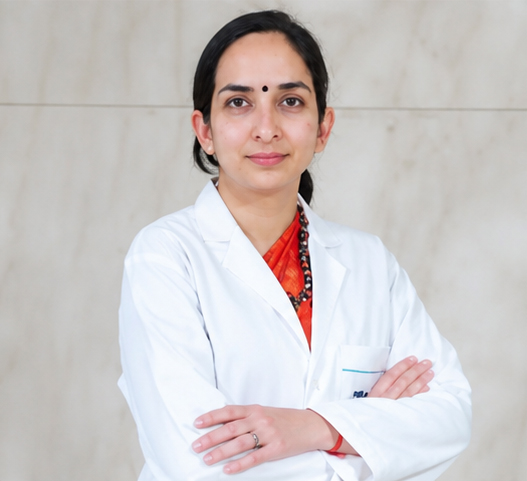
Dr. Esha Kaul, Director – Haemato Oncology and Bone Marrow Transplant,
Medanta Super Speciality Hospital, Noida, said, “Blood cancers can progress
very rapidly, and for many patients a stem cell transplant offers the best
chance of survival. However, one of the biggest challenges we continue to face
in India is the delay in finding a suitable matching donor in time. In
aggressive blood cancers, delays of even a few months while searching for a
donor can significantly impact treatment outcomes and survival chances.
Increasing awareness around blood stem cell donation and expanding India’s
donor registry is therefore extremely critical to ensure more patients receive
timely transplants when they need them the most.”
The challenge becomes even more critical in
India because stem cell matching depends heavily on genetic and ethnic
compatibility. A small and non-diverse donor registry significantly reduces the
chances of patients finding suitable matches quickly, often delaying timely
treatment for those battling aggressive blood cancers.
Highlighting the urgent need to strengthen
India’s blood stem cell donor registry, Patrick Paul, Executive Chairman,
DKMS Foundation India, said, “India continues to face a critical shortage
of registered blood stem cell donors despite the growing number of patients
requiring life-saving stem cell transplants every year. For many blood cancer
patients, finding a matching donor in time can mean the difference between life
and death. While awareness around blood stem cell donation has improved,
India’s donor registry still remains far smaller than what is needed for a
country of our population. Participation from young individuals, educational
institutions, corporates, and communities is critical to help strengthen the
donor registry and give more patients a second chance at life.”
While awareness of blood stem cell donation
has improved in metropolitan cities such as Bengaluru, Mumbai, Delhi, Chennai,
Hyderabad, and Pune due to stronger healthcare infrastructure and greater
corporate engagement, donor registrations from Tier-2, Tier-3, and rural regions
remain comparatively low.
Dr. Aruna Rajendran, Assistant
Professor, Department of Hematology, BMT Unit, Rajiv Gandhi Government General
Hospital, Madras Medical College, Chennai, said,
“As a hematologist, I witness the devastating impact of blood cancers on
patients and families almost every day, particularly when delayed diagnosis
affects timely treatment. Many patients spend weeks or even months visiting
general physicians for symptoms they assume are viral infections, simple
anaemia, or fatigue before a specialist is consulted. In some cases, fear of a
cancer diagnosis also leads patients and families to delay important tests and
medical consultations, further impacting timely treatment. By the time they
reach specialised centres, the disease may already have progressed significantly,
reducing treatment options and survival chances. Timely referrals remain
extremely important for improving outcomes among blood cancer patients.”
Doctors also note that with improving
awareness and diagnostic capabilities, more young patients are being identified
earlier with blood disorders that may eventually require long-term transplant
support, further highlighting the urgent need to strengthen India’s blood stem
cell donor registry.
“A major barrier to strengthening India’s
blood stem cell donor registry continues to be the misconceptions surrounding
blood stem cell donation. Many people still believe the process is painful or
highly invasive, whereas in most cases donation is similar to blood donation
and recovery is usually quick. Fear about potential health effects also
prevents many individuals from registering as donors despite the procedure
being considered safe for healthy individuals. Young people, especially between
18 and 35 years, can play a critical role in expanding the donor pool and
improving the chances of blood cancer patients finding a life-saving match in
time,” added Dr. Nitin Agarwal, Head of Donor Request Management, DKMS
Foundation India.
DKMS Foundation India has registered over
2.8 lakh potential blood stem cell donors and facilitated more than 250 stem
cell transplants since its inception in 2019, offering hope and second chances
to patients battling blood cancer and other blood disorders.
To register as a potential
stem cell donor, one must be a healthy adult between 18 and 55 years of age.
Registration requires filling up a simple consent form. A swab of the inside of
the cheeks is taken to collect the tissue cells, which are then sent to a lab
to be analysed for HLA (Human Leukocyte Antigen). The potential donor is then
listed anonymously on the international search platform for matching stem cell
donors. Eligible individuals can register as blood stem cell donors by ordering
a home swab kit at https://www.dkms-india.org/register-now
and join the movement to save
lives.